Redeeming Trauma Part I: Understanding Trauma Through a Biblical Lens
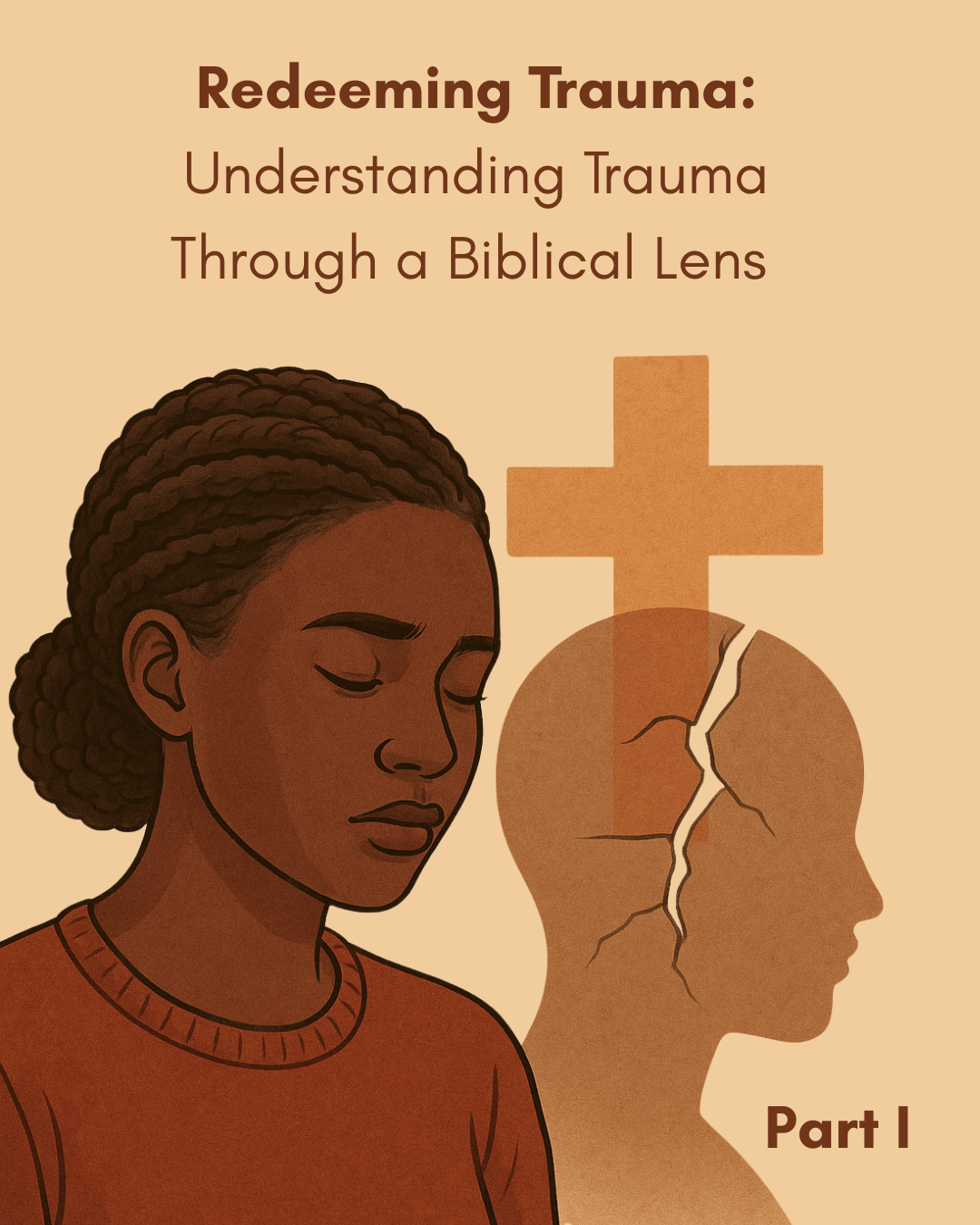
Trauma disrupts shalom. It tears at our ability to trust God, others, and ourselves.
When we think of the word trauma, many of our minds go to horrific scenes of abuse or other unpleasant images. While those things represent a type of trauma, that is not the entirety of the rupture that this concept represents. Trauma has become a household word and has been popularized through the 1960s and 70’s through various social, racial, and mental health movements throughout the U.S. and the world. This article will define and discuss trauma through an integrative psychological and theological framework that begins with inner fragmentation in the Garden of Eden and impacts the human nervous system today.
Defining Trauma
Psychiatrist Judith Herman defines trauma as “an overwhelming experience that shatters the individual’s sense of safety, connection, and meaning. It is an event that disrupts the ordinary ways of coping and leaves the person feeling helpless, terrorized, and disconnected from the world.”[1]
Her words capture what Scripture has long revealed about the human story after the Fall, we have a deep need for safety, connection, and meaning. When Adam and Eve sinned, fear entered the human experience for the first time: “I was afraid because I was naked, and I hid myself” (Genesis 3:10). In that single verse, we see shame, fear, and isolation, the core effects of trauma. What was once integrated—mind, body, and spirit in communion with God—became fragmented.
I help clients relate to two main types of trauma, “little t trauma” (you were the last picked on your sports team or the kid you liked did not like you in return) or “big T trauma” (war, car accidents, assaults, or ending relationships). You might not have experienced a horrific tragedy. However, you might have experienced the fear of something real or perceived that has changed the trajectory of your belief system and thus impacted your life’s trajectory.
The Bible Begins with Safety, Connection, and Meaning
God’s design was always for wholeness and relational safety. The Hebrew concept of shalom goes far beyond peace; it means completeness, harmony, and flourishing. Trauma, in contrast, disrupts shalom. It tears at our ability to trust God, others, and ourselves. The psalmist vividly captures this experience: “My soul is downcast within me” (Psalm 42:6). The Hebrew word for “soul” here, nephesh, refers to the whole self, encompassing mind, body, and breath. Trauma affects all of it.
When a person experiences something overwhelming, such as abuse, loss, betrayal, or violence, the brain and nervous system do what God designed them to do: they protect or shut down. But sometimes, that protection becomes permanent. The body remembers, even when the conscious mind tries to forget. Bessel Van der Kolk came to this conclusion in his bestselling book, The Body Keeps the Score. [2]
The Window of Tolerance: How We Become Dysregulated
Dan Siegel describes the “window of tolerance” as the range in which a person can function effectively, able to think, feel, and respond flexibly. [3] Within this window, our nervous system is regulated and capable of engaging relationally. When we experience trauma, we can fall outside of that window, either into hyperarousal (anxiety, anger, panic) or hypoarousal (numbness, shutdown, dissociation).
This dysregulation echoes the biblical imagery of being “tossed by the waves and blown here and there” (Ephesians 4:14). Our inner world becomes chaotic, and our capacity to stay present, to remain “steadfast,” is compromised.
I often tell clients that when we are dysregulated, we go into survival mode and exhibit the fight, flight, freeze, faint, or fawn responses. These help us to stay alive under threat. However, unprocessed trauma can cause these responses to remain in operation long past their effective date. Trauma experienced years ago may be experienced as if it is still happening in the present moment.
When the Image of God is Fragmented
Trauma often leads to a deep sense of fragmentation. Some parts of us seem lost or inaccessible. Paul captures this inner war in Romans 7: “I do not do the good I want to do, but the evil I do not want to do, this I keep on doing.” The experience of “I” and “not-I” coexisting is the essence of inner fragmentation.
Yet, Scripture affirms that we are made in the image of a relational God. Father, Son, and Spirit always remain in perfect unity. When trauma fractures our inner world, God’s redemptive aim is for us to be integrated as He is integrated. The Hebrew word shub for “restore” means “to bring back, to make whole.” Healing, then, is not just about symptom reduction; it is about recovering the wholeness of being made in God’s image as “He restores my soul” (Psalm 23:3).
David, who knew trauma intimately, writes: “When anxiety was great within me, your consolation brought me joy” (Psalm 94:19). God’s “consolation” here is not avoidance but stabilization. Regulation is the experience of returning to a place of safety, where the nervous system and spirit can again rest.
Conclusion
Our history began with the integration of mind, body, and soul, but was fractured at the fall of man in Genesis 3. Trauma represents a rupture that we experience, including violence, distrust, pain, or distressing memories that restrict us from experiencing shalom. Our bodies' natural defense systems become activated, and we respond in a way to keep us safe. However, those responses are not designed to be permanent. It is necessary to process through the source of the trauma to mend what was fractured. At Intentional Bridges, we understand the importance of this sacred work to restore our inner world to reflect the beauty of the image of God that is within us. If you would like to explore the trauma you have experienced, please reach out to schedule a free consultation so you can begin on the path of restoring shalom.
References
[1] Herman, Judith L. Trauma and Recovery: The Aftermath of Violence--from Domestic Abuse to Political Terror. Basic Books: New York. 2022.
[2] Van der Kolk, Bessel. The Body Keeps the Score: Brain, Mind, and Body in the Healing of Trauma.
[3] Siegel, Dan. The Developing Mind: How Relationships and the Brain Interact to Shape Who We Are. Guilford Press: New York. 1999.

November 15, 2025
Written by Dr. James E. Francis Jr.
*Image and some text generated with the assistance of AI technology.
Dr. Francis is the founder of Intentional Bridges, a mental health counseling and coaching practice that provides accountability through encouragement and empowerment that drives resilience and spiritual maturity. James helps with issues including anxiety, anger, depression, grief, infidelity, life transitions, stress, marital readiness, men’s issues, relationship issues, race-related issues, pornography addiction, PTSD, and trauma. He believes that therapy should be clinically excellent and theologically accurate. He prioritizes the integration of Scripture with elements of psychology to operate a holistic growth plan. James helps individuals identify and overcome their negative core beliefs. Then walks beside them to promote step-by-step healing from the pain of the past.
.